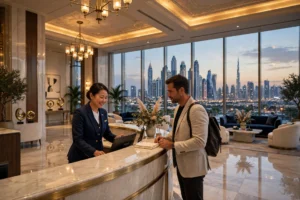
Jobs in Riyadh 2026: Complete Guide to Finding Work, Salaries & Visa

If you are searching for jobs in Riyadh 2026, you are looking at the Middle East’s most ambitious labour market. Saudi Arabia’s capital is the beating heart of Vision 2030 — the kingdom’s plan to diversify away from oil — and billions of dollars are flowing into construction, technology, tourism, healthcare, and finance. For job seekers living in Saudi Arabia or planning to relocate, Riyadh offers tax-free salaries, a growing expatriate-friendly work culture, and demand across both white-collar and skilled blue-collar roles. This guide covers the 2026 Riyadh job market, realistic salaries in Saudi Riyals (SAR), visa requirements, and exactly how to apply.
Jobs in Riyadh 2026: Market Overview
Riyadh is no longer just an oil and government town. Mega-projects like the King Salman Park, Diriyah Gate, Qiddiya entertainment city, and the Riyadh Metro expansion have created sustained demand for engineers, project managers, hospitality staff, and tradespeople. Meanwhile, the kingdom’s push to become a regional tech and finance hub is pulling in software developers, data analysts, and banking professionals.
Key facts about the 2026 Riyadh job market:
- Vision 2030 hiring wave: Giga-projects and private-sector growth keep construction, engineering, and hospitality recruitment strong.
- Saudization (Nitaqat): Certain sectors prioritize Saudi nationals, but expatriates remain in high demand in healthcare, engineering, IT, education, and domestic services.
- Tax-free salaries: No personal income tax in Saudi Arabia, so your quoted salary is what you take home.
- English-friendly: Most multinational employers and many large Saudi companies use English as the working language; Arabic is a plus but rarely mandatory for expat roles.
In-Demand Jobs in Riyadh 2026 with Salaries
Salaries below are realistic monthly ranges in Saudi Riyals for expatriate hires in Riyadh, based on 2026 market conditions. Actual offers depend on experience, employer, and negotiation.
Construction & Engineering
- Civil / site engineer: SAR 10,000–18,000
- Project manager (construction): SAR 20,000–35,000
- Architect: SAR 12,000–22,000
- Electrician / technician: SAR 3,500–6,500
- Construction worker: SAR 2,000–3,500
Healthcare
- Registered nurse: SAR 5,000–10,000 (Western-trained nurses earn at the top end)
- General practitioner: SAR 18,000–30,000
- Pharmacist: SAR 8,000–15,000
- Lab technician: SAR 5,000–9,000
IT & Technology
- Software developer: SAR 12,000–25,000
- Data analyst / data scientist: SAR 12,000–24,000
- IT support specialist: SAR 6,000–12,000
- Cybersecurity analyst: SAR 15,000–28,000
Finance & Administration
- Accountant: SAR 6,000–12,000
- HR officer: SAR 7,000–14,000
- Administrative assistant: SAR 4,500–8,000
Hospitality, Retail & Services
- Hotel receptionist: SAR 3,500–6,000
- Waiter / waitress: SAR 2,500–5,000 (plus tips/service charges)
- Sales executive: SAR 5,000–12,000 (often plus commission)
- Driver (company/private): SAR 2,500–4,500
- Security guard: SAR 2,500–4,000
Education
- English teacher (international school): SAR 8,000–15,000
- University lecturer: SAR 12,000–20,000
Requirements for Jobs in Riyadh
Most employers in Riyadh expect the following:
- Valid work visa and iqama: Your employer sponsors your work visa; you cannot legally work on a visit visa. After arrival, the employer issues your iqama (residence permit).
- Attested qualifications: Degrees and diplomas typically need attestation from your home country’s authorities and the Saudi embassy. Medical and engineering roles require licensing from the Saudi Commission for Health Specialties or the Saudi Council of Engineers.
- Experience: Two or more years of relevant experience is the norm for professional roles; giga-project roles often ask for five plus.
- Passport validity: At least six months beyond your planned stay.
- Medical fitness: A pre-employment medical test is standard, including for the iqama process.
- Age limits: Some sectors prefer candidates under 50–55; check individual listings.
A Note on Saudization
The Nitaqat programme sets quotas for Saudi nationals in many private-sector roles, especially in retail, HR, and administration. This does not close the door for expatriates — healthcare, engineering, IT, teaching, and skilled trades still hire internationally in large numbers — but it means competition is stiffest in admin-type roles. Targeting sectors with genuine expat demand improves your odds considerably.
How to Apply for Jobs in Riyadh in 2026
- Use the big job portals: Bayt.com, LinkedIn, Naukrigulf, GulfTalent, and Akhtaboot carry the most Riyadh listings. Set up alerts for “Riyadh” plus your job title.
- Apply directly on company career pages: Giga-project entities, hospitals, banks, and international schools often post vacancies only on their own sites.
- Work with licensed recruiters: Reputable recruitment agencies in your home country that specialize in Saudi placements can arrange interviews and handle paperwork — never pay an agent who guarantees a visa for an upfront fee.
- Tailor your CV: Keep it to two pages, lead with measurable achievements, and include a professional photo (still the norm in the Gulf). Mention Arabic ability if you have any.
- Prepare for video interviews: Most first-round interviews for Riyadh roles happen over video calls. Be ready to discuss salary expectations in SAR and your earliest joining date.
- Verify the offer: A legitimate employer provides a written offer letter, sponsors your visa, and covers visa and iqama costs. Be wary of offers that ask you to pay for your own work visa.
Salary & Benefits in Riyadh
Beyond the headline salary, standard expatriate packages in Riyadh commonly include:
- Housing: A housing allowance (often 25–35% of basic salary) or company-provided accommodation, especially in construction, healthcare, and education.
- Transport: A transport allowance or company vehicle for eligible roles.
- Health insurance: Mandatory — employers must provide medical coverage.
- Annual flights: A yearly return ticket to your home country is standard in most expat contracts.
- End-of-service benefits: Saudi labour law provides an end-of-service award based on years of service.
- Annual leave: Minimum 21 days of paid leave per year, rising to 30 after five years with the same employer.
Cost of living context: a single professional can live comfortably in Riyadh on SAR 4,000–6,000 per month excluding rent, while a one-bedroom apartment in a decent district runs SAR 2,000–4,500 per month.
FAQs About Jobs in Riyadh 2026
Do I need to speak Arabic to get a job in Riyadh?
Not for most expatriate roles. Multinationals, hospitals, international schools, and giga-projects operate in English. Basic Arabic helps in customer-facing and government-liaison roles, but it is rarely a deal-breaker.
Can I apply for jobs in Riyadh without a visa?
Yes — most expatriates are hired from abroad. Your employer sponsors your work visa after you accept the offer. You should never work in Saudi Arabia on a tourist or visit visa.
How long does the Saudi work visa process take?
Typically four to eight weeks from a signed offer to visa issuance, depending on document attestation and medical clearance. Start attestation paperwork early to avoid delays.
What is the minimum salary I should expect in Riyadh?
Unskilled roles start around SAR 2,000–2,500 per month, while skilled trades begin near SAR 3,500–5,000. Professional roles vary widely — see the salary tables above.
Is Riyadh safe for expatriate workers?
Riyadh is considered one of the safer major cities in the region, with low street crime. Standard precautions apply, and employers typically brief new arrivals on local laws and customs, which should be respected.
Can my family join me in Riyadh?
Many professional contracts include family status, allowing you to sponsor a spouse and children once your iqama is issued and you meet the minimum salary threshold for family sponsorship.
Final Thoughts
Jobs in Riyadh in 2026 offer a rare combination: tax-free salaries, large-scale projects with long hiring runways, and a capital city that is modernizing fast. The competition is real — especially in admin roles affected by Saudization — but candidates with in-demand skills in healthcare, engineering, IT, and education will find genuine opportunity. Prepare your documents early, use trusted portals and recruiters, and verify every offer before you sign. Start your search today, and Riyadh could be your next career move.